Event Recap: What Keeps Global CEOs Awake at Night?
Past Event Round Ups
03 April 2026
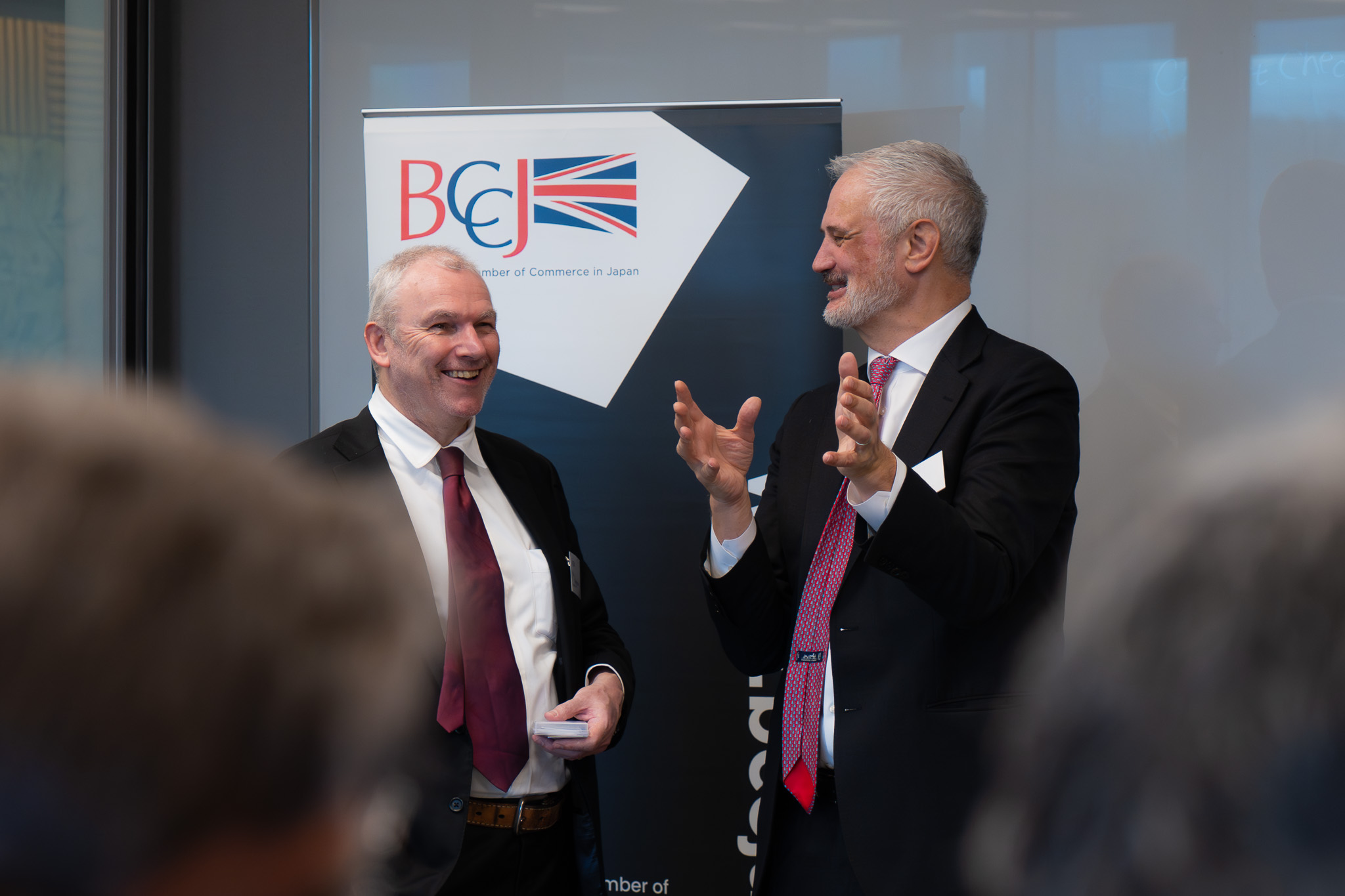
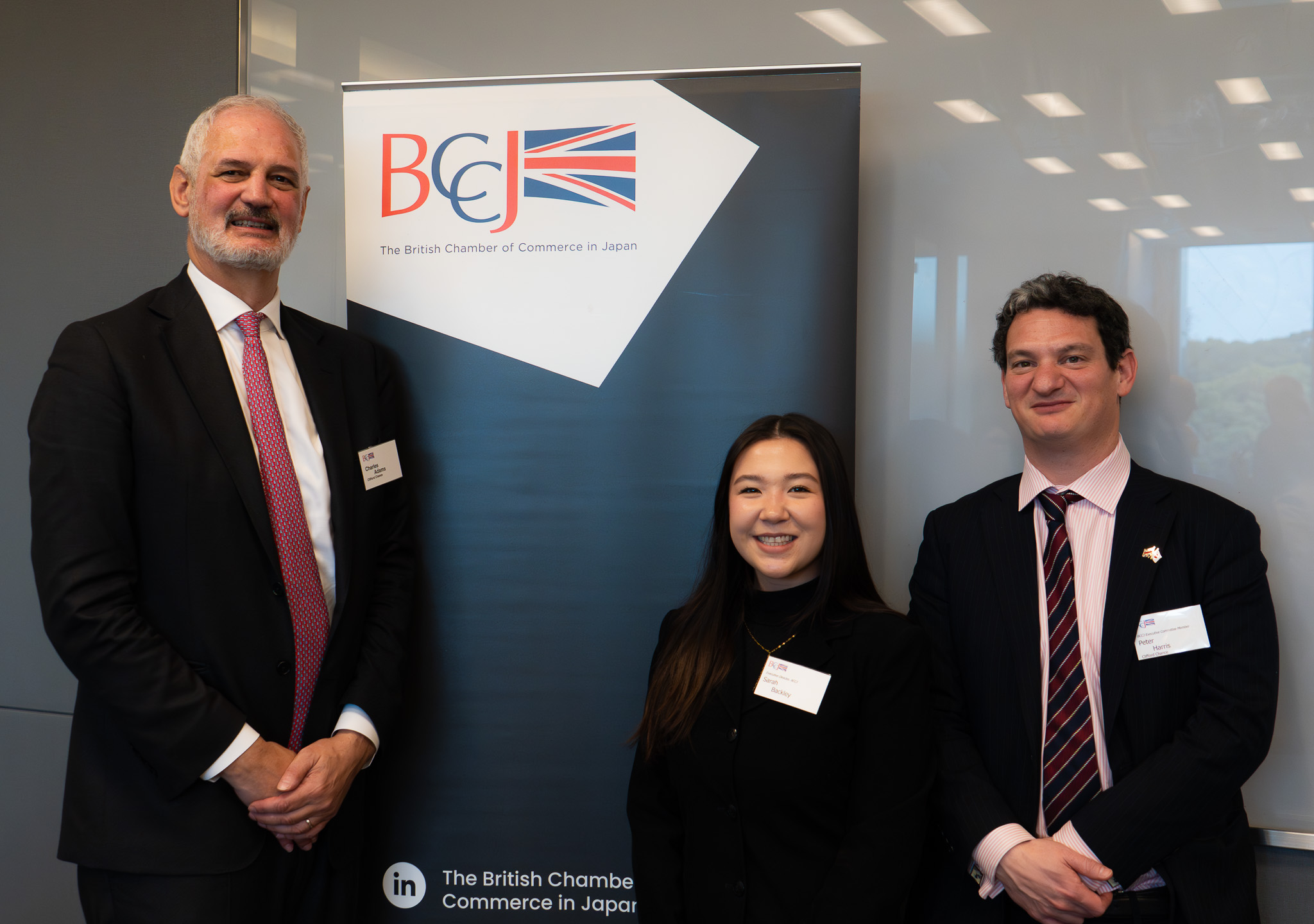
In the latest instalment of its Breakfast Club Series, the British Chamber of Commerce in Japan (BCCJ) invited Charles Adams, Global Managing Partner of Clifford Chance, to consider what keeps global CEOs awake at night.
In a broad-ranging discussion, Adams explored how global volatility—ranging from geopolitical fragmentation to AI governance—is creating an increasingly dynamic, complex and interconnected risk environment. Amidst this backdrop, he introduced some ways leaders are recalibrating risk appetite and positioning their organisations for resilience.
BCCJ Executive Director Sarah Backley opened the session by asking to what extent the global risk environment has shifted in the past five years.
'What has changed since the end of the Covid-19 pandemic and the Russian invasion of Ukraine is the convergence and acceleration of risks,' said Adams, noting that geopolitical risks such as tariffs and sanctions can cascade into supply chain and logistics risks. 'Crises used to be a wave of events but today they all converge; we’re living in a permanent polycrisis.'
On a positive note, though, while economic volatility remains a risk, we have seen some growth, he continued. As a result, global corporations across multiple sectors are still pursuing growth strategies, even as they experience operational challenges due to global uncertainty and unpredictability.
For CEOs, the pressure of navigating their organisations during these difficult times is leading to their request for shorter and shorter tenures, Adams added, noting that the role, 'once considered the apex of a career, is now becoming less popular.'
Pursuing growth
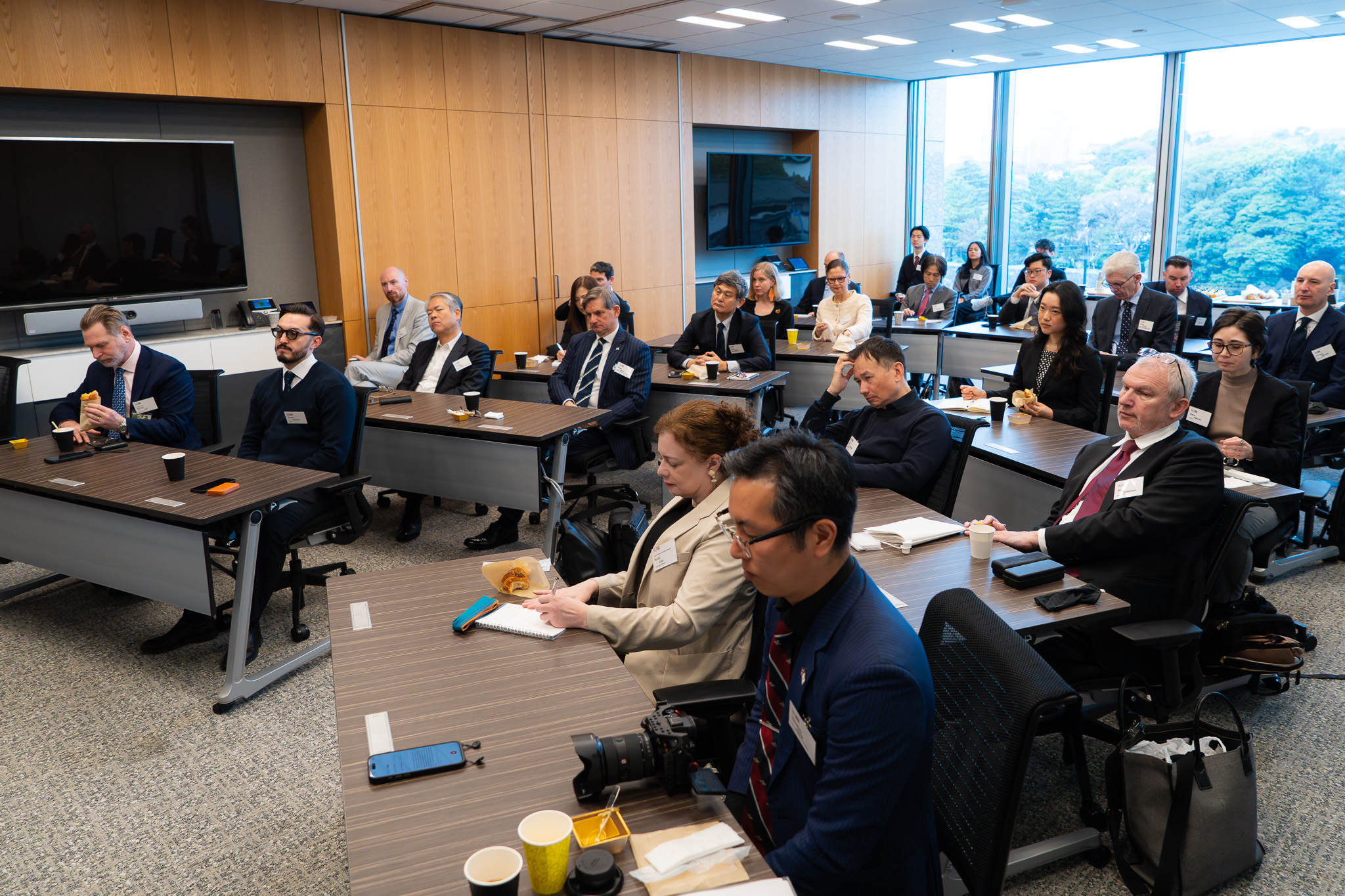
In today’s challenging environment, global organisations must accept and prepare for risk in order to set themselves up for growth. For example, teams can no longer use static risk assessments that involved assessing risk scores once a quarter before mitigating them and writing a report, he explained.
Rather, organisations need to re-evaluate their risk appetite and tolerance because it is getting harder to predict what the risk / rewards balance should look like.
'It’s no longer just about risk avoidance; it’s about building resilience in the organisation. If the shocks hit us, how quickly can we move, how prepared are we for different shocks and what happens if multiple shocks hit us at one time?' he said.
'Decisions need to be taken swiftly and often based on very limited information or a rapidly evolving situation. That means ensuring the organisational structure is flatter and information flows faster,' he added.
Organisations are also increasingly learning what resilience means for their unique circumstances. Businesses with long or complex supply chains, for example, should identify the critical components of their operations and have scenario- and escalation-based business continuity plans in place.
For boards of global organisations, meanwhile, there is a shift from monthly meetings held in different parts of the world to real-time connectivity related to on-the-ground operations and organisation-wide decision-making, he explained.
Managing AI use
At Clifford Chance, AI adoption has been rapid and widespread, with each employee receiving a licence to use Microsoft’s Copilot (a digital companion designed to boost productivity by integrating generative AI into everyday tools), regardless of seniority or position. Three years on since the integration, the law firm is seeing 91% daily usage, 20% higher than that of Microsoft’s legal team.
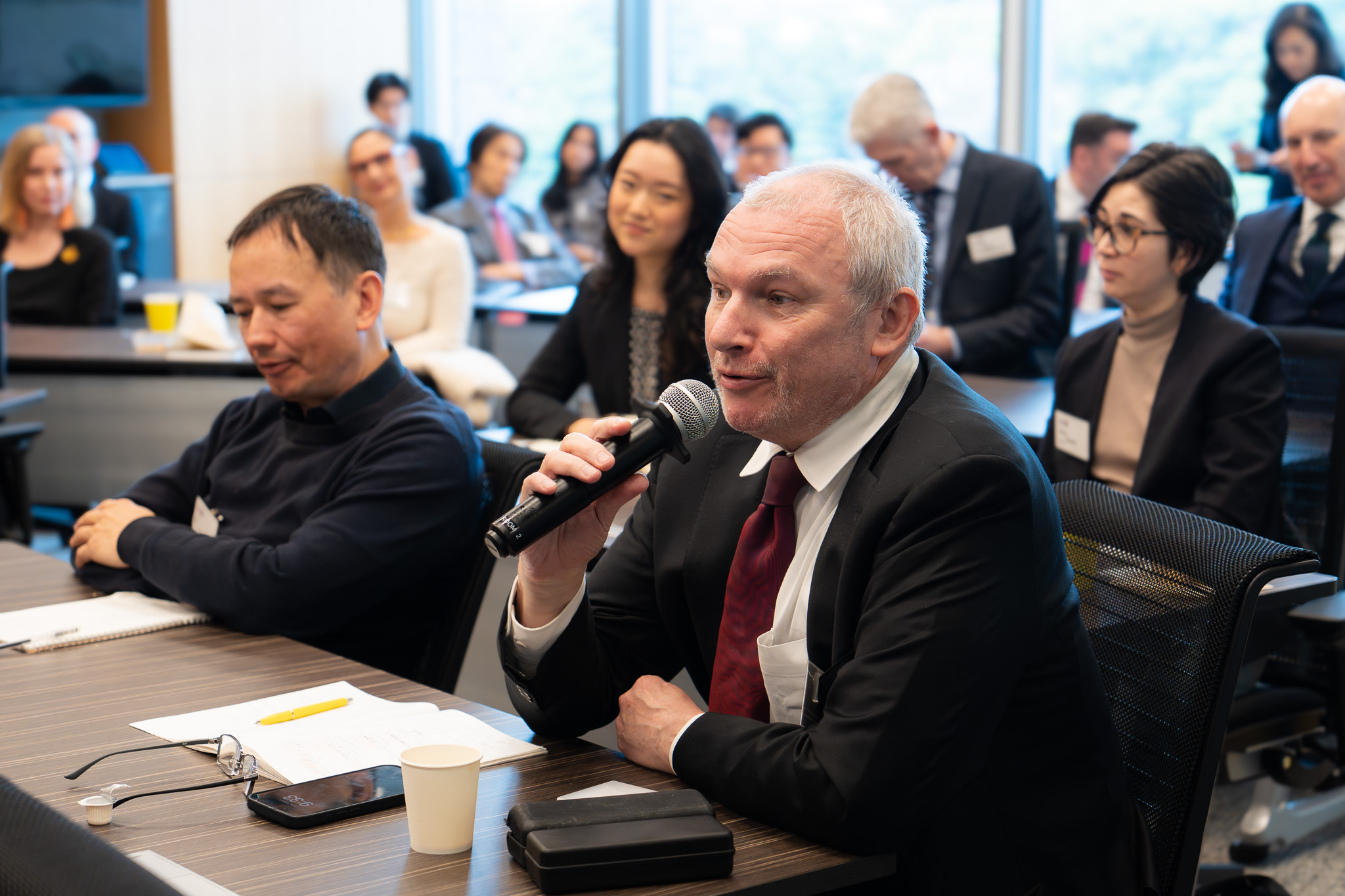
'Our people are finding their own way of using it. What management is doing is creating boundaries and safety while ensuring use is clearly demarcated,' such as for external and internal sources, he said.
However, using AI for tasks such as drafting or editing materials can hamper the development of staff, particularly those in entry-level positions who typically learn on the job.
'It becomes very hard for us to create environments where you learn,' said Adams. 'While investing in AI, we’re also investing in training and development … to create the kind of environment and interactions whereby people [have until now] learned by trial and error.'
He encouraged all organisations to remember that although AI can be 80–90% accurate, the risk in business is in the remaining 10–20%. Furthermore, with the current fragmented approach to AI regulation and the fast-moving nature of the technology, boards should provide oversight on how their organisations use AI, as well as continuous assessment and risk evaluation.
Opportunities and challenges
Asked what skills global business leaders might consider honing to navigate today’s global uncertainty, Adams pointed to breadth of thinking, adaptability and personal agility.
'There is a need to see and understand the whole picture as well as the detail of individual ecosystems and the environments around them,' he said, adding that successful leaders should pivot fast, have a good network, be collaborative and have a sense of 'moral clarity' as they can’t rely on the world to set standards anymore.
He expressed particularly strong positivity about growth in sectors related to technology and energy transition, noting opportunities in AI, semiconductors, data centres, critical minerals, battery storage and climate adaptation.
With further technological advancements, it’s also likely people will have more time to enjoy life, providing businesses with increased potential in consumer markets, the travel sector and the experience economy, he said.
Japan is another area of opportunity due to growing interest in the country as a place for doing business. Adams noted that 'almost all clients [of Clifford Chance] are expressing a desire to do more in Japan, regardless of sector.'
On the other hand, Japan, like a number of other countries, presents organisations with talent-related challenges driven by an ageing and shrinking population which makes the talent market highly competitive.