
Event Recap: International Women’s Day 2026
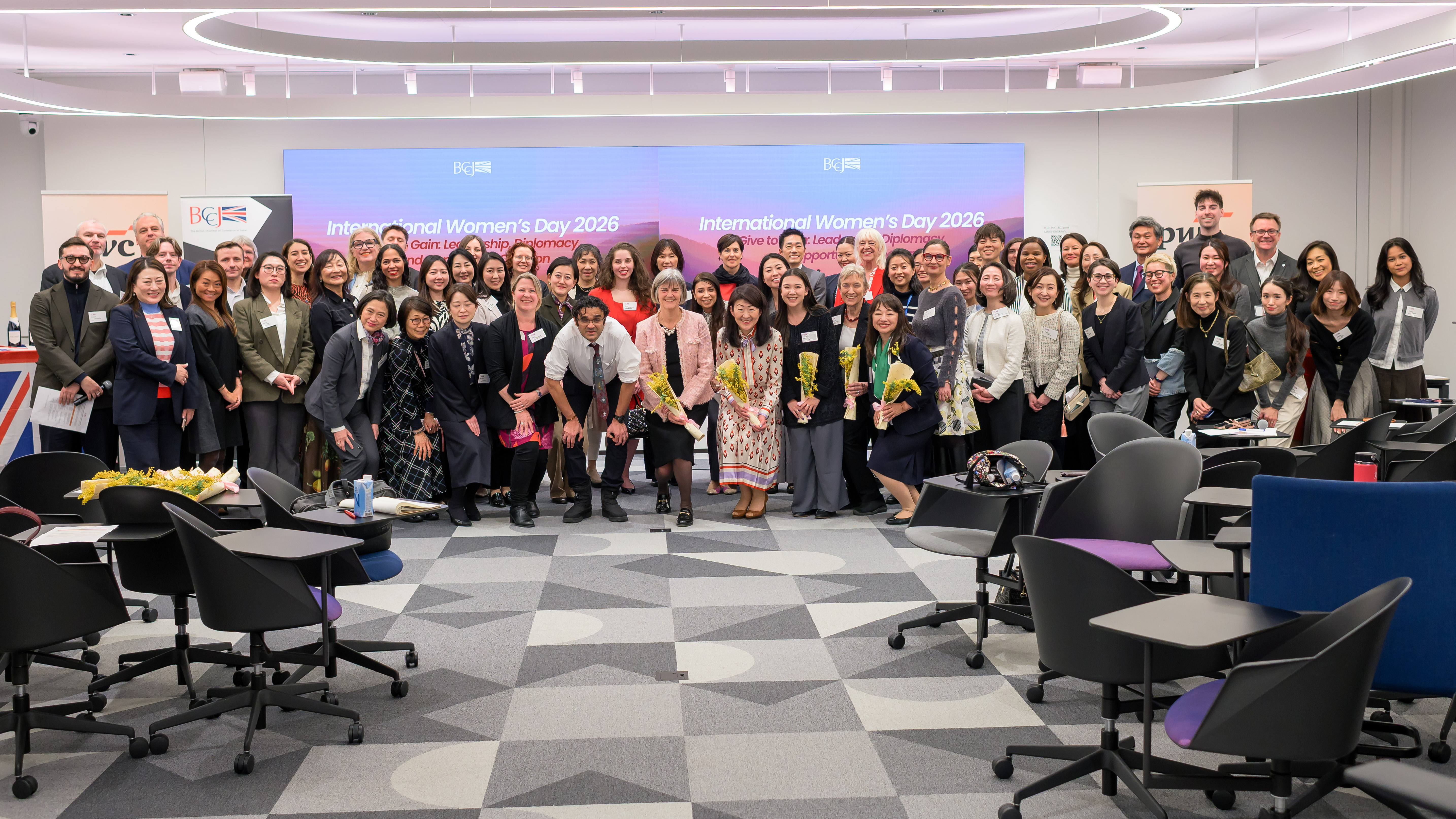
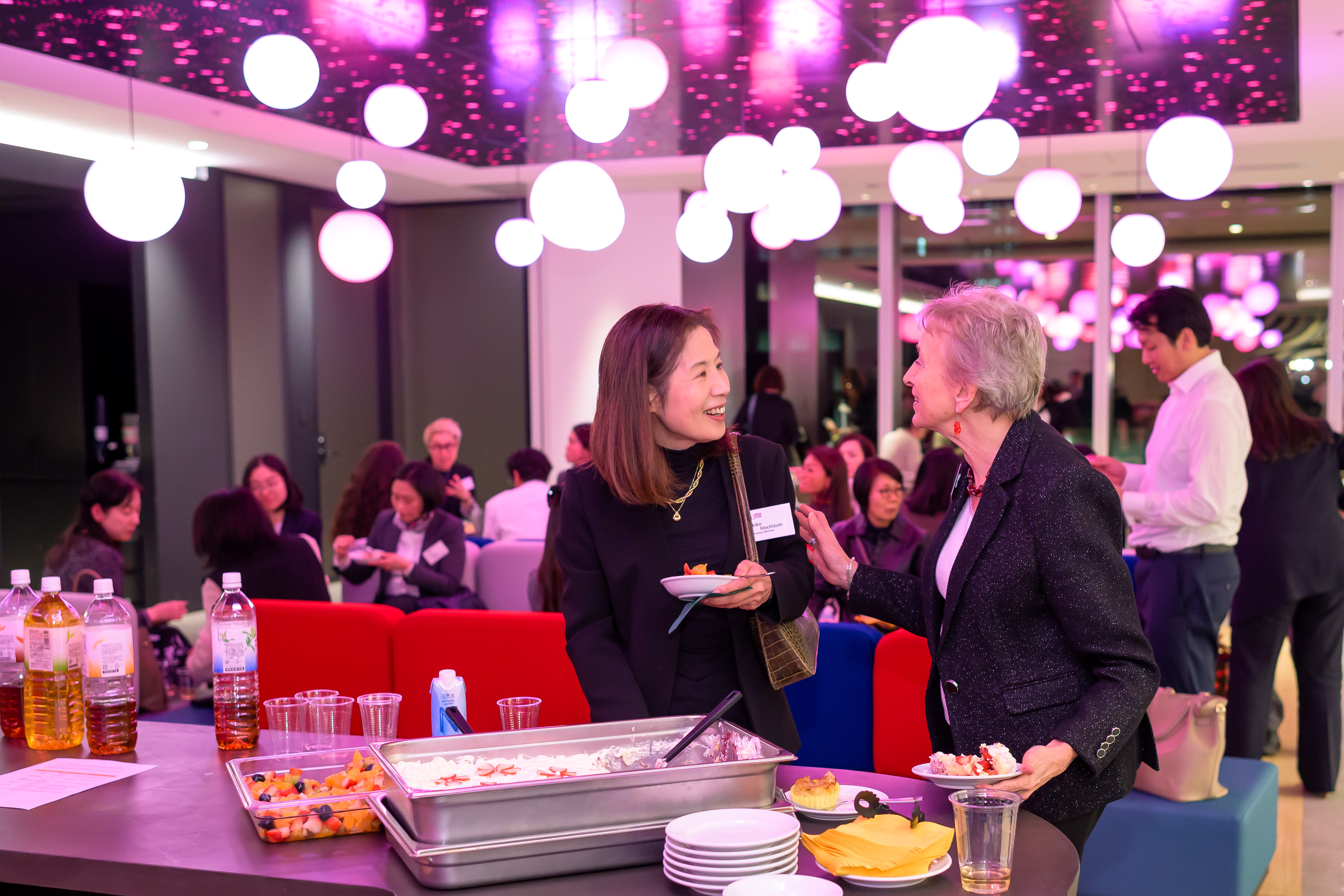
Members and guests of the British Chamber of Commerce in Japan (BCCJ) gathered at the PwC Experience Center in central Tokyo in March to mark International Women’s Day, a global annual celebration to honour the social, economic, cultural and political achievements of women while calling for accelerated gender equality.
This year, under the theme iuGive to Gain, the day’s campaign encouraged a mindset of generosity and collaboration, noting: 'When women thrive, we all rise.'
Welcoming attendees, Akane Yoshida, a senior leader at PwC Japan Group, outlined the importance of advancing women’s careers, noting PwC’s efforts to support gender equality. Initiatives include the company’s recently published 'career advice toolkit,' which outlines 'actionable takeaways' from more than 40 PwC women leaders based across the globe.
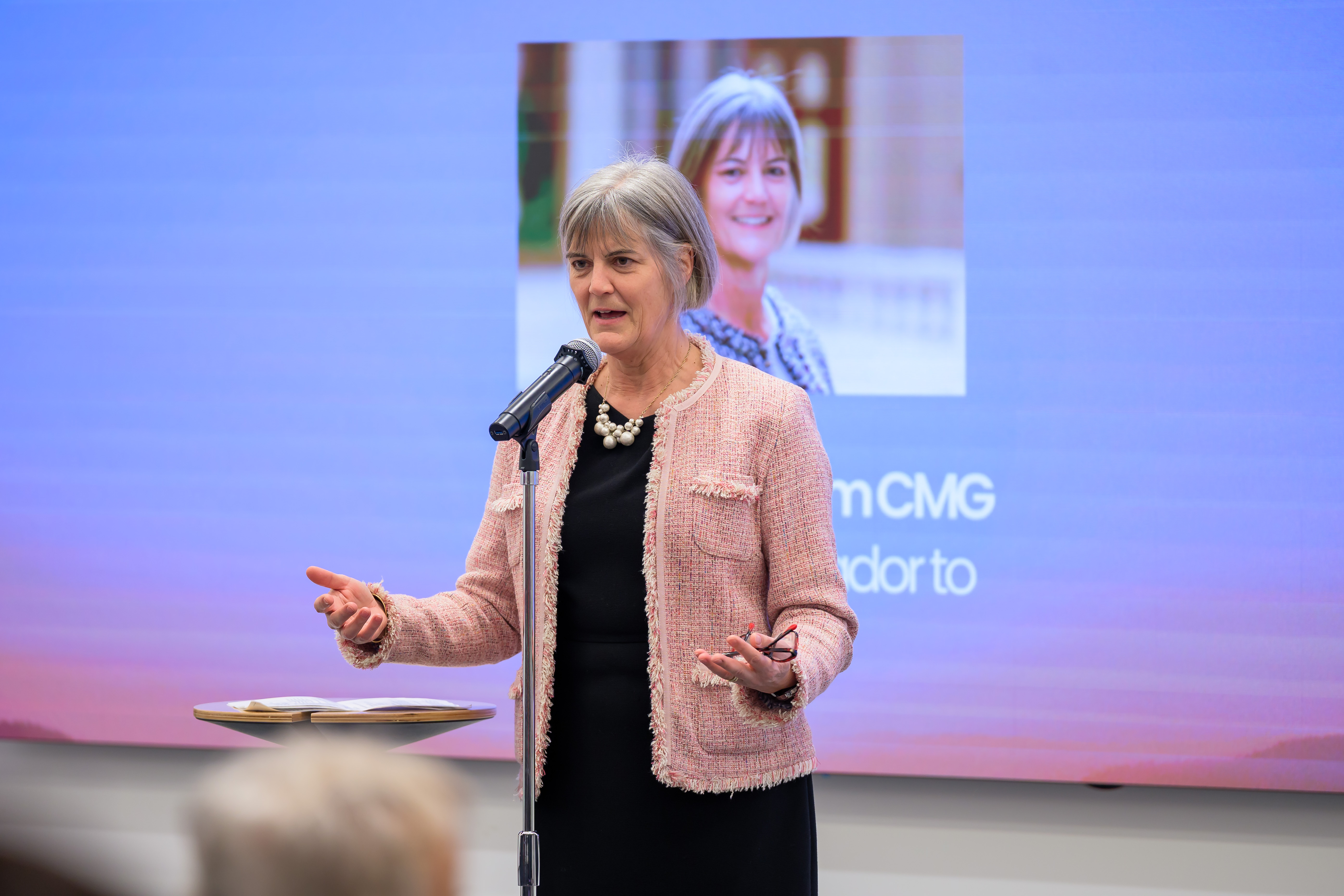
British Ambassador to Japan HE Julia Longbottom CMG shared her experiences as a female diplomat and emphasised the importance of visibility, mentorship and networks in enabling women’s advancement. While progress is evident, change requires shifting mindsets, fostering inclusion, and ensuring both men and women actively support gender equality.
Following a Q&A, guests were invited to join one of six breakout sessions, each addressing a different aspect of diversity, equity and inclusion (DEI), for focused exchange.
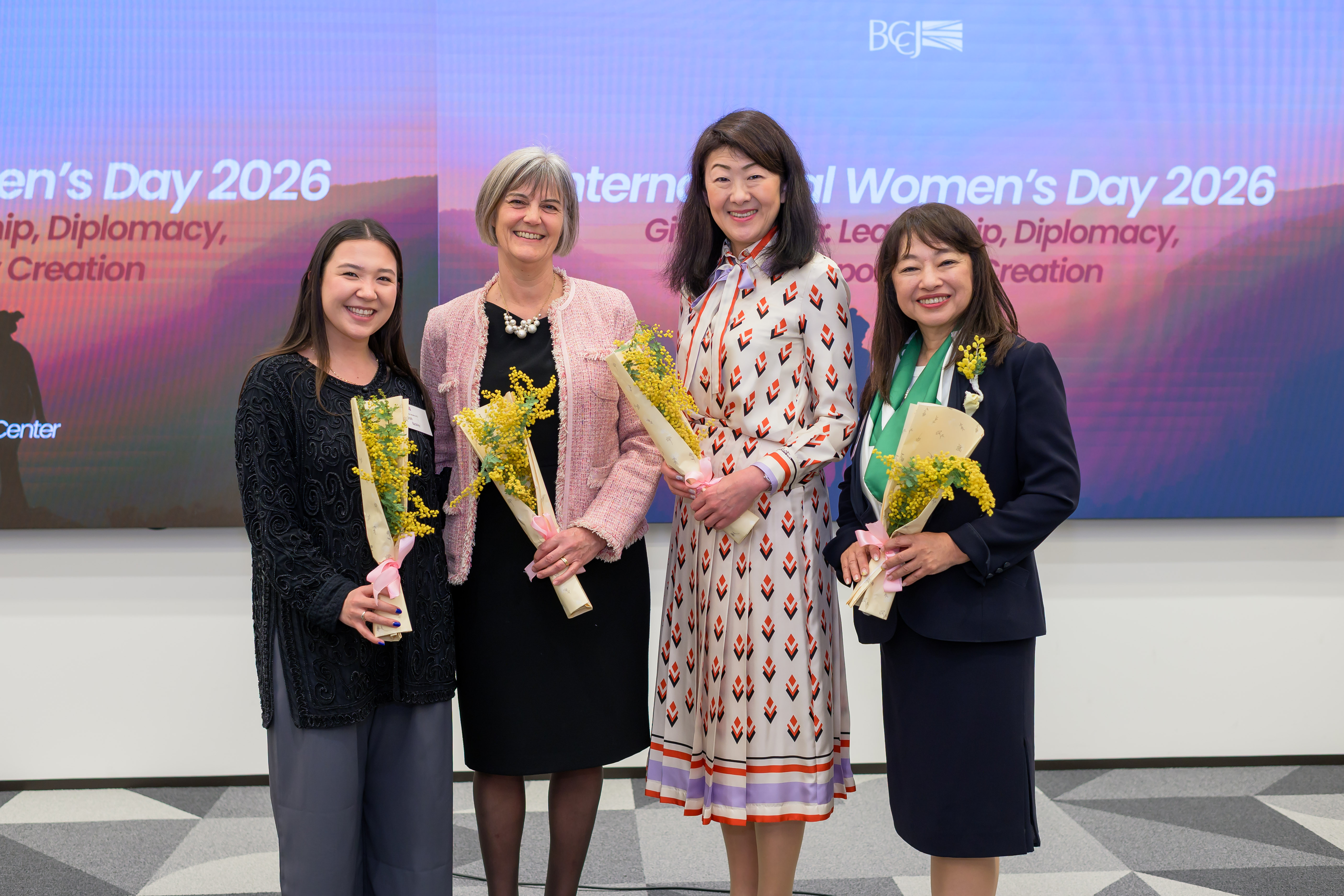
Leadership under pressure
Drawing on experiences during a crisis response to an earthquake, group one considered the need to maintain a positive outlook, learn delegation skills and view challenges as opportunities for growth. The ability to trust and provide clear communication to keep teams aligned and motivated were also noted as critical skills for leaders. The discussion underscored that resilience, flexibility and the ability to inspire others are essential in navigating unpredictable situations.
Everyday influence
Group two discussed how leadership can be demonstrated through everyday actions, such as praising colleagues, which builds confidence and fosters inclusion. Sharing diverse perspectives was noted as a strength that enriches decision-making and collaboration. Rather than relying solely on top-down policies, the group stressed the value of bottom-up cultural change driven by daily interactions. By modelling inclusive behaviours and acting as role models, individuals can influence workplace dynamics and contribute to a supportive environment.
Increasing visibility
Participants focused on the visibility of gender diversity efforts within organisations. While some reported tangible progress driven by leadership accountability, others noted that initiatives often go unnoticed due to poor communication. The group highlighted the importance of making efforts more visible and accessible to all employees. Allyship, particularly from men, was identified as a key factor in advancing inclusion. Participants agreed that without transparency and shared understanding, even well-intentioned initiatives risk limited impact, underscoring the need for consistent engagement and communication.
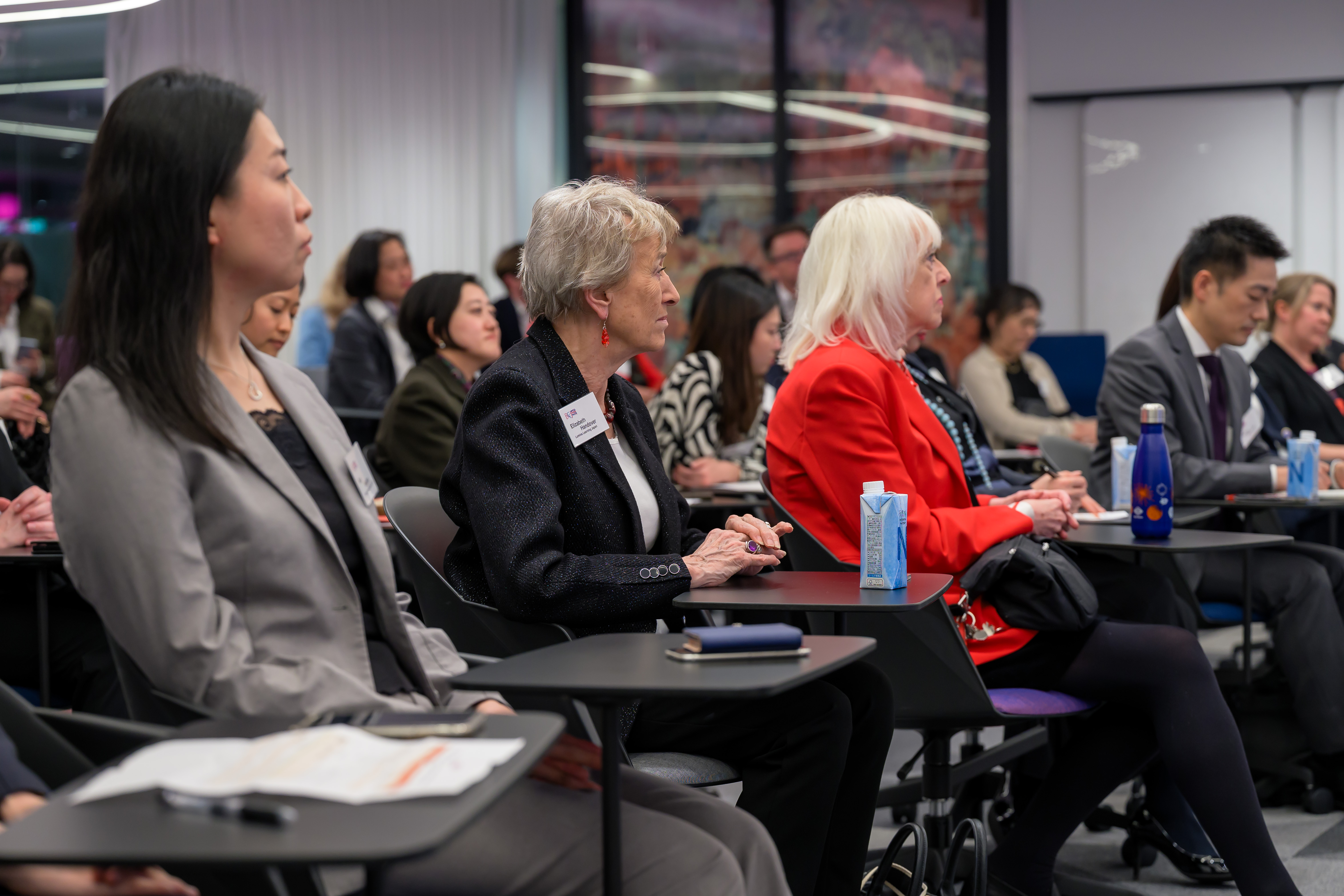
The power of asking
This group explored the challenges and benefits of asking for support. Fear of rejection was identified as a common barrier, often preventing individuals from seeking opportunities or assistance. However, participants noted that asking becomes easier with practice—and is often easier when asking on behalf of others—and can lead to valuable outcomes, from gaining resources to increasing visibility. The discussion encouraged reframing asking as a positive and necessary skill, essential for growth and collaboration.
Fostering opportunities
Focusing on how individuals can support others, members highlighted the importance of sharing knowledge and soft skills beyond formal training. Building confidence through finding one’s voice was a key theme, alongside creating opportunities for others through mentorship and networking. Participants also stressed the value of recognising effort, not just results, to encourage continued development.
Mindset and structural change
The final group examined ongoing challenges in achieving gender equality, such as mindset barriers, with some women hesitant to pursue leadership roles. Increasing exposure to role models was identified as a way to inspire confidence and shift perceptions. Participants also highlighted the continued presence of unconscious bias and the importance of supportive networks and policies including flexible working. The group said meaningful progress requires sustained, cross-generational effort and cultural change.
Get involved
The BCCJ’s DEI Working Group invites members to join its sessions, designed to share experiences, address challenges and co-create practical strategies for fostering more inclusive workplaces across the UK–Japan business community.