Event Recap: The Face - Lived Experiences and Inclusion in the Workplace
Written by Sterling Content.
Members and guests of the British Chamber of Commerce in Japan (BCCJ) joined the discussion-based event, 'The Face: Lived Experiences and Inclusion in the Workplace,' to explore aspects of diversity, equity and inclusion (DEI).
The event featured experience-led conversations that encouraged thoughtful dialogue and offered opportunities to consider how to navigate matters related to DEI within the workplace.
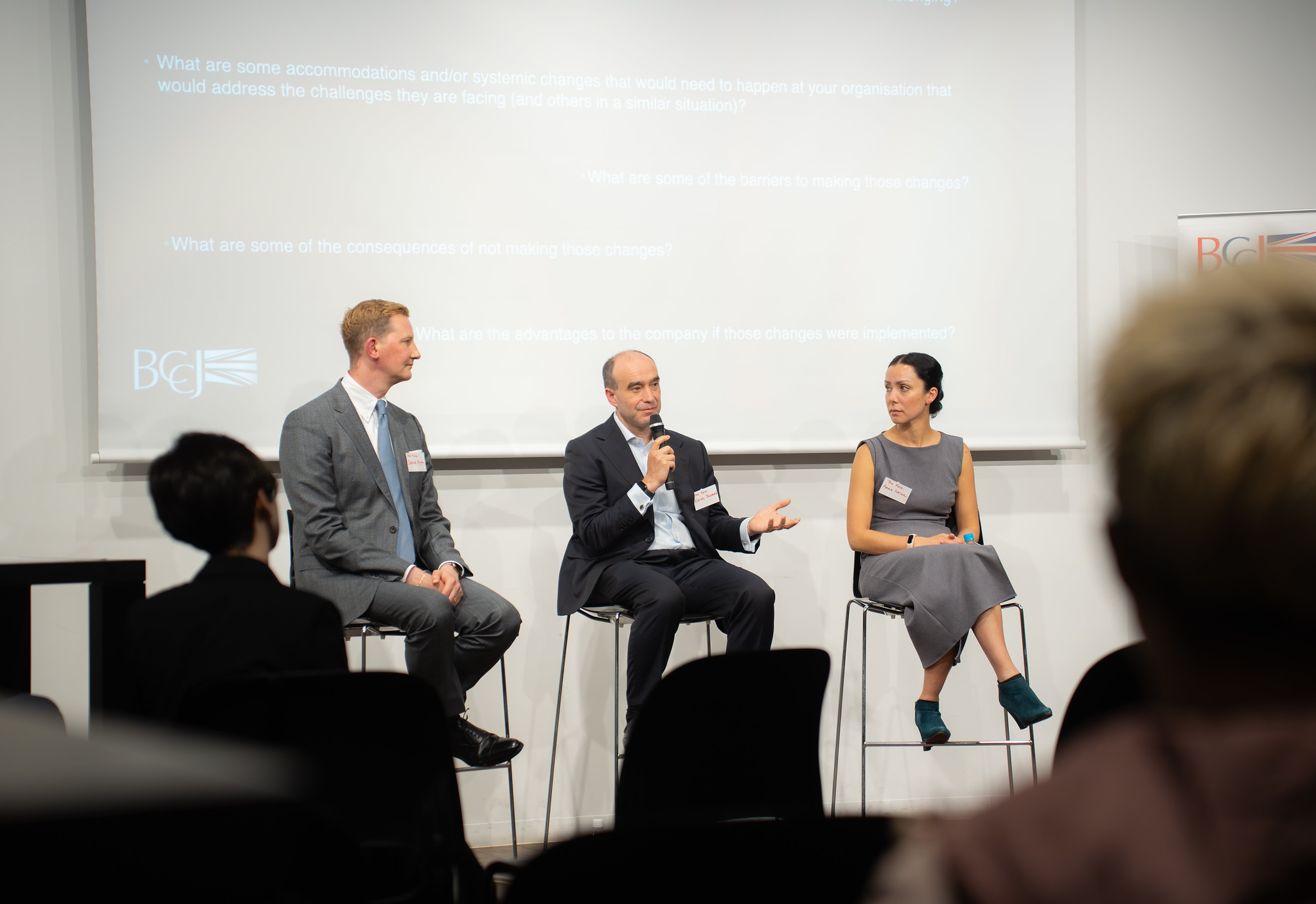
Speakers Joshua Bryan, Senior Director of Robert Walters Japan K.K; Keith Thomas, Associate Partner at EY Japan; and Anna Iveson, Director of Marketing and Admissions at Rugby School Japan offered insights into their lived experiences—rather than current situations—as members of underrepresented communities or individuals who have experienced DEI-related challenges within the workplace.
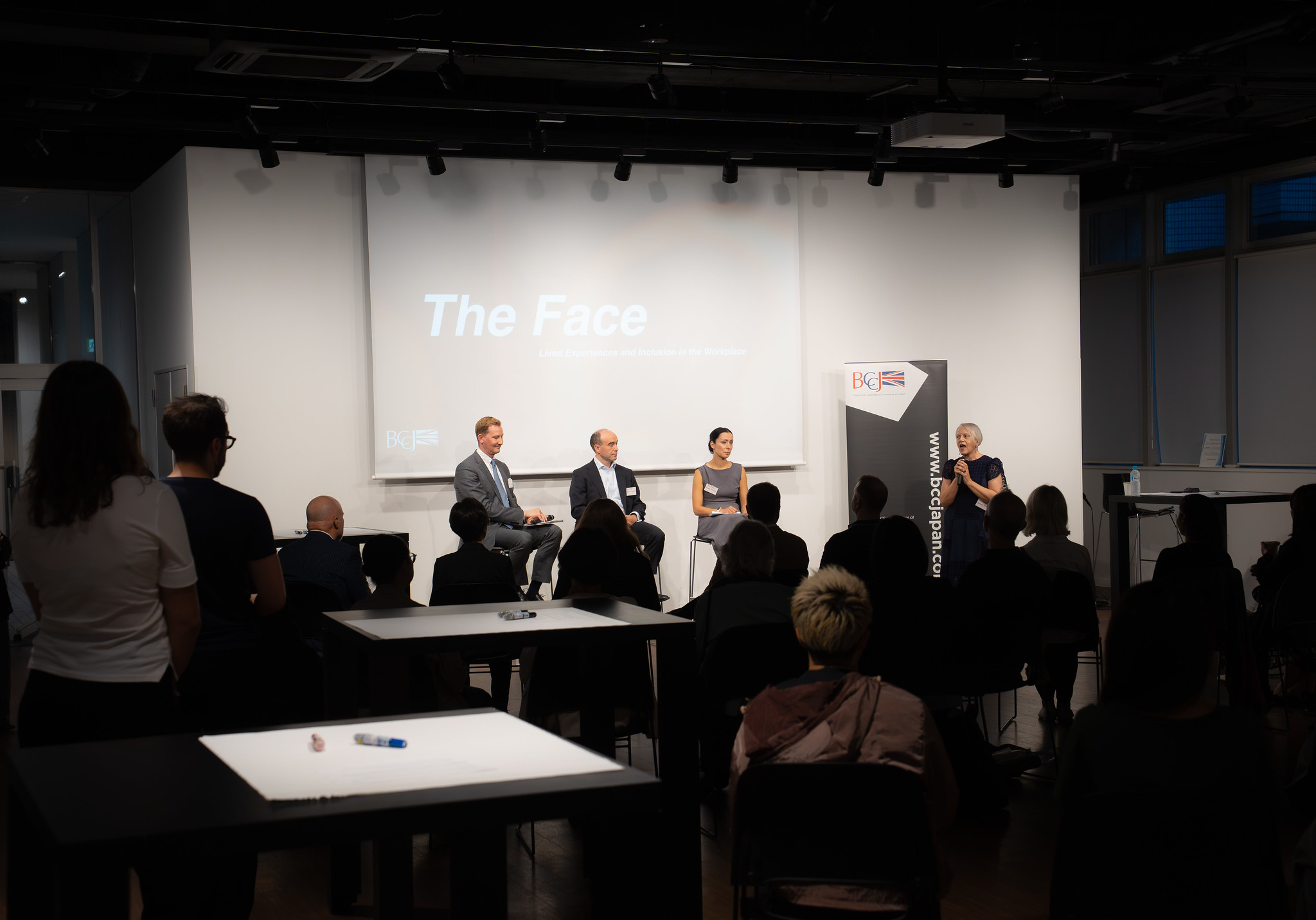
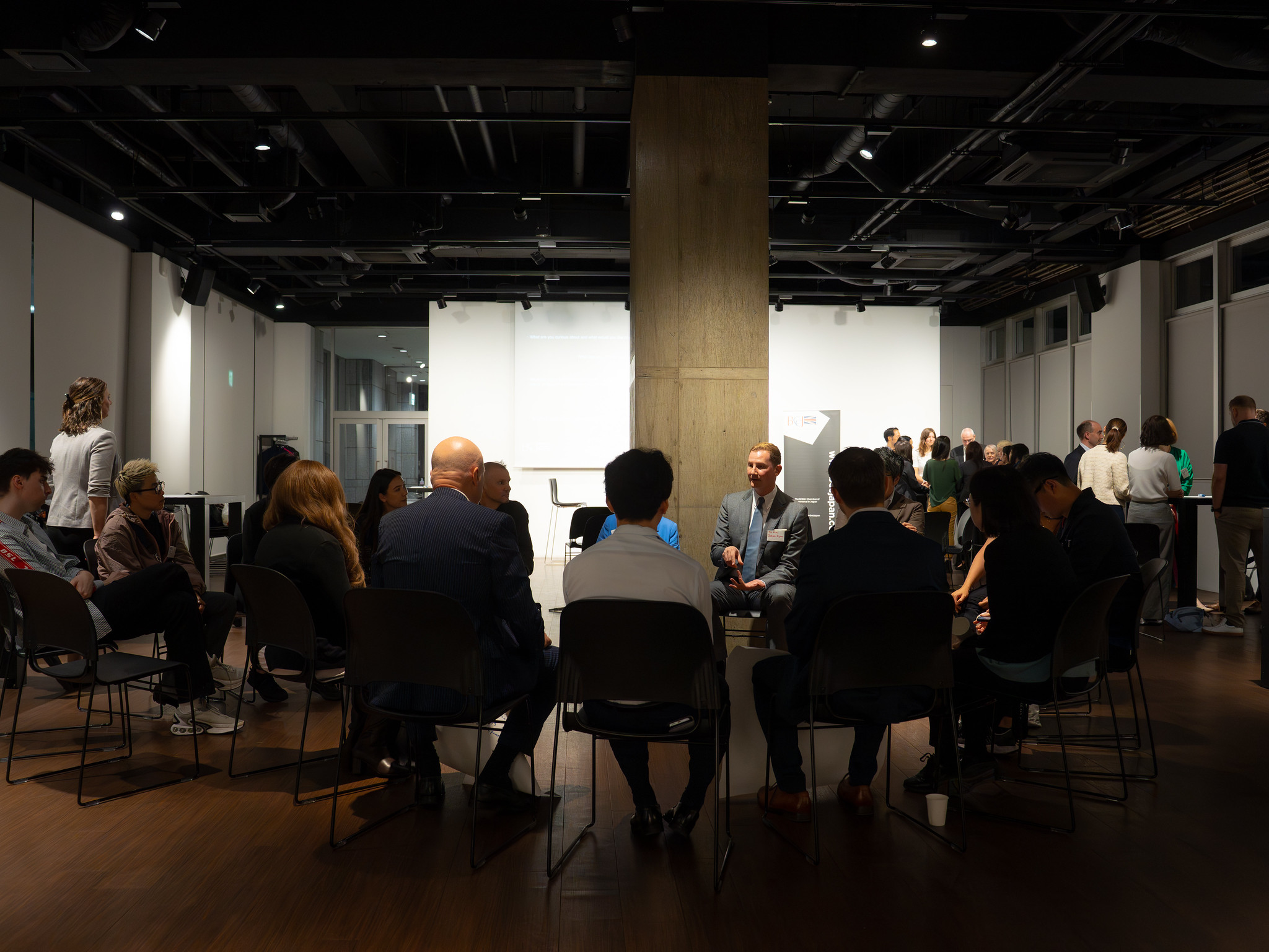
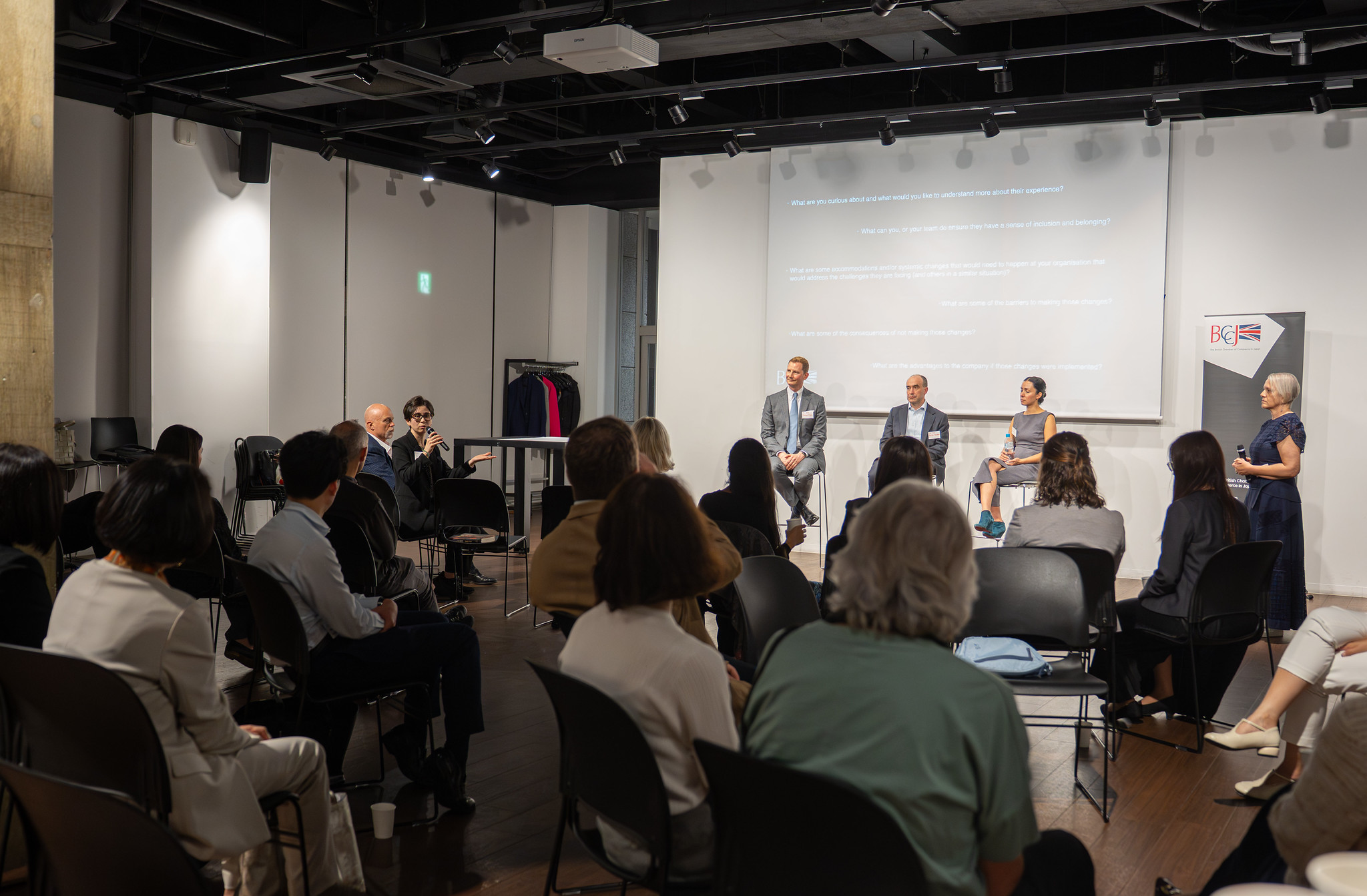
Moderator Suzanne Price, Founder and Representative Director of Price Global, provided opportunities for participants to create questions for the speakers in small groups before they were joined by the speakers for a reverse mentoring session. The event wrapped up with each small group providing their feedback from the session and examples of best DEI practices discussed in their groups.
The discussions focused on several themes: the importance of safe organisational culture, the role of empathy and curiosity, and the need for more open, practical ways of addressing exclusion and harm in the workplace.
Sexual harassment
Participants emphasised the need to speak out about sexual harassment and foster a shared responsibility to prevent it. Moreover, it should not fall on a single individual to raise concerns; instead, everyone—including men and leadership—has a role in creating a culture where inappropriate behaviour is not tolerated.
A recurring issue raised was that people often feel unsafe to speak up, and in some cases do not even recognize whether what they experienced is harassment, highlighting the need for better awareness and clearer conversations.
Another key insight was the importance of organisational culture in shaping whether individuals feel supported. In environments where speaking up is discouraged or risky, issues remain hidden. Therefore, it’s important that both men and women feel they can talk about sexual harassment without fear of being criticised, perceived negatively or being disadvantaged at work.
Neurodiversity
Attendees considered what it feels like to go through a diagnosis and treatment, as well as how organisations can support neurodivergent individuals, including by setting clear expectations and working collaboratively to achieve outcomes.
Participants reflected that it’s possible to make reasonable workplace adjustments, which are important for people with neurodiversity to succeed long-term in an organisation and bring different ideas to the table. A key insight was the burden placed on individuals to advocate for themselves, such as having to explain their needs repeatedly to HR or colleagues without adequate support.
This led to an important reflection on the need for quality dialogue. Participants noted that although it is unrealistic for organisations to anticipate every need in advance, it is equally problematic to place the full burden on individuals to design their own accommodations.
Therefore, both employees and employers can consider co-creation: the concept of working together to understand what support might be needed, asking thoughtful questions and being willing to learn in real time. The balance lies in curiosity and engagement from organisations, without requiring individuals to act as sole educators or 'representatives' for their condition or experience.
LGBTQIA+
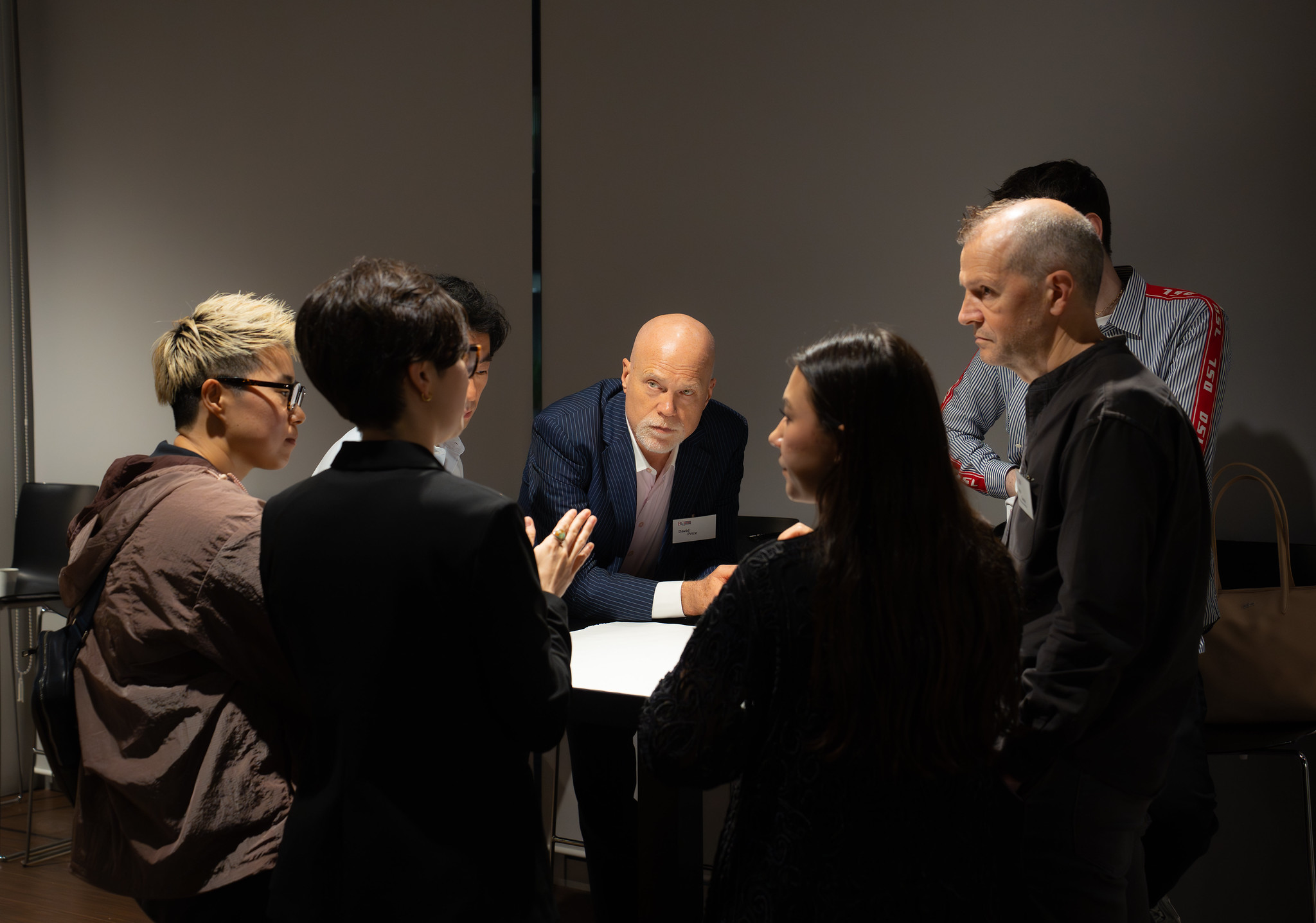
The need to understand the lived experience of LGBTQIA+ people and create workplaces that support their inclusion and belonging was at the forefront of discussions.
Participants noted the 'mental tax,' or invisible burden, individuals may carry if they are not 'out' at work, as well as how everyday language, such as assumptions about the gender of partners, can include or exclude people. Small language shifts, including using more neutral terms, or avoidance of overly personal questions can make a meaningful difference in psychological safety.
It was highlighted that informal conversations can be just as important as formal processes in understanding people’s situations. Getting to know colleagues as individuals helps avoid assumptions and supports more tailored inclusion.
There was also reflection on cultural differences in how DEI topics are addressed. Some environments still tend toward silence or avoidance of discussion, which is particularly prevalent in relation to LGBTQ+ people. This underscored the need to create space for dialogue rather than treating these topics as uncomfortable or off-limits.
Empathy and dialogue
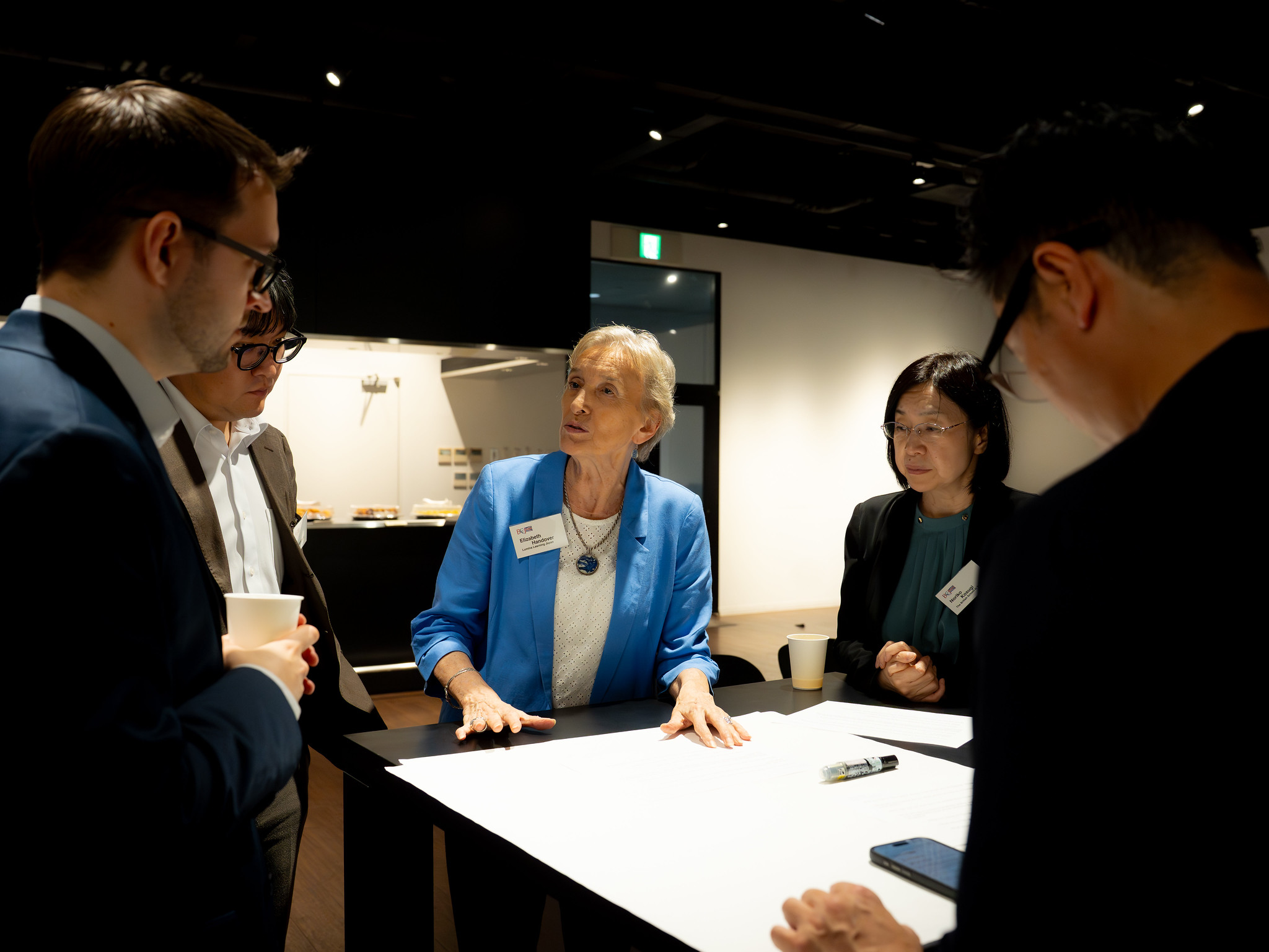
The session was concluded with an emphasis on empathy and curiosity as foundational 'muscles' for inclusion. This concept includes trying to understand and appreciate individuals’ perspectives and experiences, rather than making assumptions, as well as being open to learning about people who are different from oneself.
Participants recognised that conscious effort is required to create time and safe spaces for open and ongoing dialogue, which is foundational to building more inclusive spaces, both at work and in social settings.
Finally, whether addressing sexual harassment, neurodiversity or identity, it was noted that meaningful progress depends on shared responsibility for creating environments where people can fully belong.
Full photo gallery here.