
The Architecture of Trust | A BCCJ Exclusive with Yamato Holdings

こちらの記事は以下で日本語版をご覧いただけます。
The Architecture of Trust: Yamato Holdings, HIVED and the Future of Delivery
The British Chamber of Commerce in Japan is delighted to have sat down with BCCJ member Yamato Holdings to discuss its partnership with UK-based sustainable logistics and delivery technology company HIVED: a collaboration bringing together one of Japan’s most trusted logistics companies with one of Britain’s most forward-looking delivery startups.
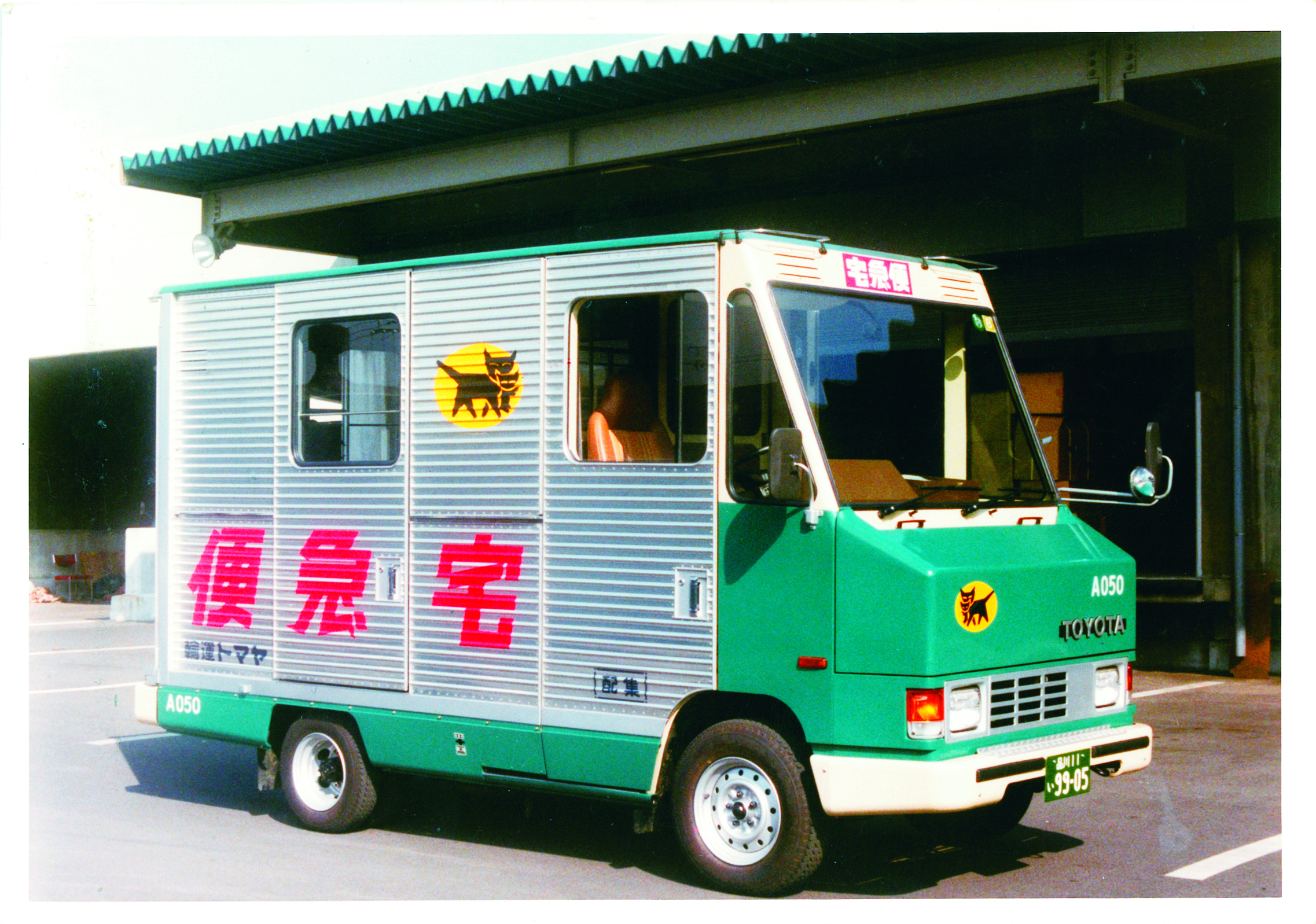
The inaugural TA-Q-BIN truck of Yamato.
Founded in 1919, Yamato has spent more than a century refining the discipline of delivery in Japan. Its Kuroneko mark, a mother cat gently carrying her kitten, is among the country’s most recognisable corporate symbols: seen on residential streets, at convenience stores, in hotels, airports and offices. For many in Japan, it carries a quiet certainty: the confidence that what has been entrusted will be handled with care.

HIVED, founded in London in 2021, belongs to a newer chapter in the logistics story. Built around electric vehicles, proprietary technology, advanced data analysis and machine learning, the company was designed for the ecommerce age from the beginning. Its ambition is to raise delivery standards in the UK through a model that combines quality, efficiency and zero emissions.
The partnership between Yamato and HIVED, formed through KURONEKO Innovation Fund II, has become an active exchange between Yamato’s century-long mastery of operational service and HIVED’s software-native approach to cleaner, smarter and more reliable delivery systems.
In conversation with Yasuhiro Saito, Executive Officer (Responsible for Digital) at Yamato Transport, and Mathias Krieger, Co-Founder and Chief Product Officer of HIVED, what emerged was a portrait of two companies learning from each other with unusual clarity.
From 1919 to TA-Q-BIN: Yamato’s Culture of Reinvention
Yamato’s history is one of continual evolution.
In its earliest decades, the company operated in a world of physical constraints: limited routes and a transport industry largely focused on bulk business deliveries. Saito reflected on Yamato’s beginnings with the perspective of a company that has had to reinvent itself repeatedly over more than 100 years.
A defining shift came with the start of TA-Q-BIN, Yamato’s parcel delivery service. At a time when small-lot delivery for individual consumers was considered commercially difficult, Yamato looked again at the customer’s life and built a service around convenience.
That customer-first commitment became one of Yamato’s greatest strengths. TA-Q-BIN grew into a social infrastructure: parcel pickup, next-day delivery, time-zone delivery, cool delivery, ski and golf delivery, airport delivery, convenience-store access and a range of services tailored to evolving customer needs.
For BCCJ members living and working in Japan, Yamato’s value is often understood at a delivery level. Sending luggage ahead to a hotel. Receiving a delivery within a chosen time window. Trusting a refrigerated parcel to arrive while remaining fully frozen. Knowing that delivery is handled with precision.
In the UK, that level of confidence is far less common.

Yasuhiro Saito, Executive Officer (Responsible for Digital) at Yamato Holdings (middle) with Co-Founder and Chief Executive Officer of Hived, Murvah Iqbal (right) and Co-Founder and Chief Product Officer Mathias Krieger (left)
The UK Delivery Gap
Krieger was candid about the British consumer experience.
‘In the UK, parcel delivery is the most hated industry by UK consumers,’ he said. ‘The service is so bad.’
For many British customers, the frustrations are familiar: missed deliveries, poor communication, parcels left in the rain, damaged goods, confusing tracking and a sense that delivery is something to tolerate. Krieger explained that this frustration became one of HIVED’s founding motivations.
‘In the UK, there’s not one existing player that has NPS above zero,’ he said. ‘Everybody has a negative perception.’
For Krieger, Yamato offered one of the clearest global examples of what trust in delivery can look like at scale. He described a personal test he often uses when speaking about logistics. In Japan, people regularly send luggage across the country with Yamato when travelling. The service is accepted as reliable infrastructure. In the UK, he said, most consumers would hesitate to entrust the same task to a parcel company.
‘They’re like, no chance,’ he said. ‘Because obviously the trust isn’t there. The quality isn’t there.’
That gap between Japanese confidence and British caution sits at the centre of HIVED’s mission.
A Delivery Centre in Japan
Before the formal partnership began, Krieger visited Japan and came across a Yamato delivery centre. He stayed to watch.
‘I stood there for maybe one hour just observing how neat and tidy everything was,’ he said. ‘I’d never seen a European operation like that.’
It is a simple image: a British startup founder standing outside a Japanese logistics site, studying the operations of a working delivery centre. Parcels placed carefully. Vehicles organised. Drivers moving with purpose. Processes that appear simple because they have been refined over many years.
The customer experiences the arrival of the parcel. Behind that moment sits a national network of workers, routes, data, facilities, vehicles and habits of service, all designed to make reliability feel natural.
For HIVED, that standard is both inspiration and challenge.
‘Yamato is the most impressive delivery company in the world in this regard,’ Krieger said. ‘The quality at scale and their employees’ passion for their work are unprecedented.’
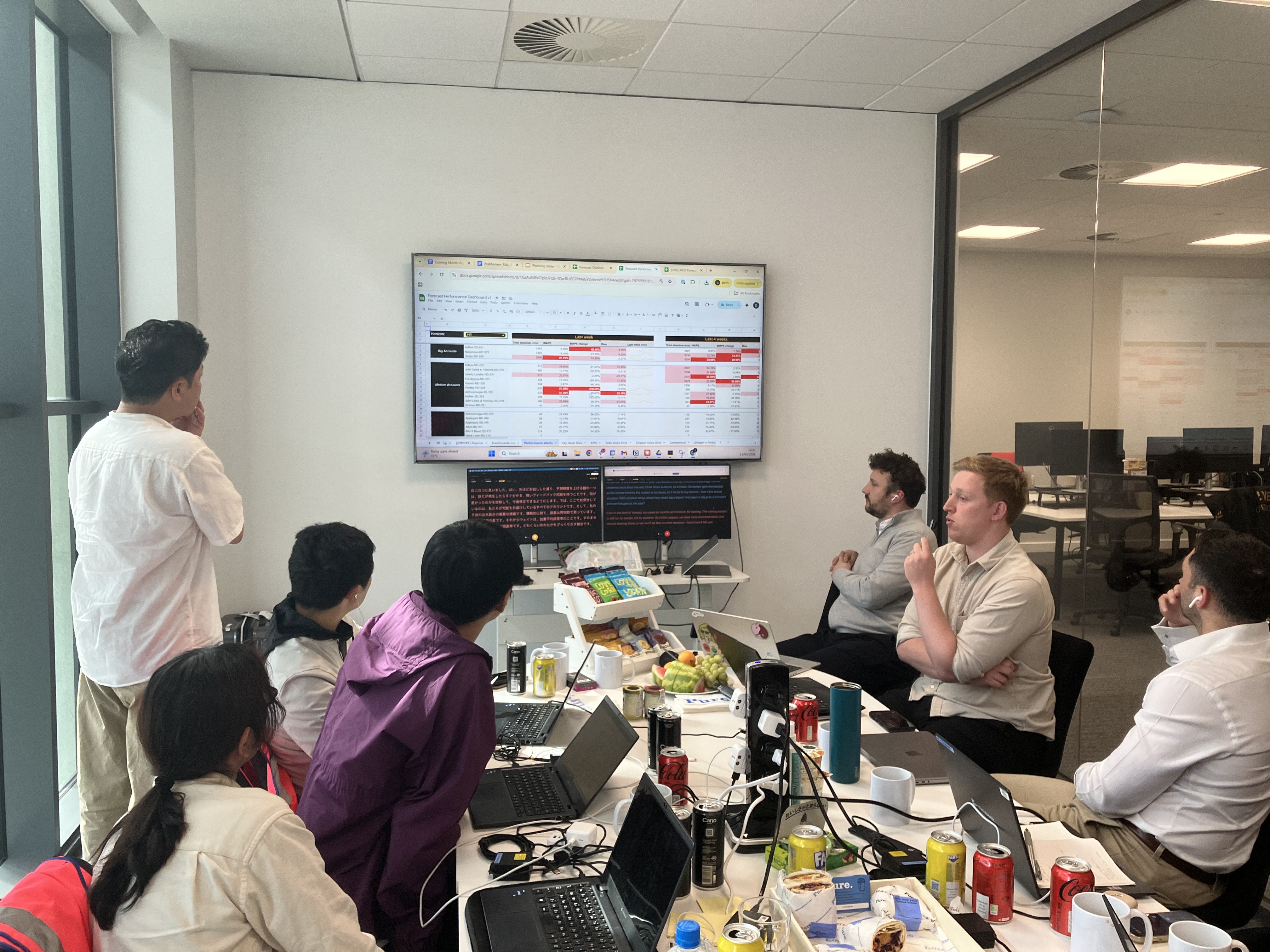
Human Knowledge, Digital Systems
Yamato’s success has long depended on the skill and judgement of its drivers. They know their neighbourhoods, understand customer routines, recognise local patterns, and adapt to seasonal changes and practical risks. Their knowledge is institutional as much as personal.
Saito described this knowledge as living ‘in the brain’ of experienced drivers.
That phrase speaks to a wider challenge facing logistics companies, particularly in Japan. As the workforce changes and experienced drivers retire, how can companies preserve the knowledge that has made their service exceptional? How can decades of practical wisdom be passed on, improved and scaled?
HIVED’s technology is built to capture and analyse parcel data in real time. Its platform supports optimised sorting, routing, tracking and operational decision-making. The aim is to make delivery smoother for customers, more efficient for retailers and more manageable for drivers.
Krieger explained that HIVED cannot simply reproduce Yamato’s culture of mindful service in the UK market. The labour context, customer expectations and industry conditions are different. To reach similar standards, HIVED has had to design a different operating model.
‘We realised the only way we can achieve quality like Yamato is we have to think differently,’ he said. ‘We have to think through technology.’
Within the partnership, AI appears less as a spectacle than as infrastructure: a way to reduce operational burden, support better routing and help turn individual expertise into shared capability.

Yasuhiro Saito, Executive Officer (Responsible for Digital) at Yamato Holdings (left) with Co-Founder and Chief Product Officer of Hived, Mathias Krieger (right) at the Yamato Holdings Office in Tokyo when this interview was conducted.
A Partnership That Has Deepened
Since Yamato’s investment in HIVED in 2024, the partnership has developed into a sustained exchange of insight.
‘We’ve deepened our partnership a lot,’ Krieger said. ‘We’ve had many different mutual visits to learn from each other, because we can both learn a lot from each other.’
Yamato teams have visited HIVED’s UK operations to study its approach to technology, routing, sustainability and ecommerce delivery. HIVED teams have visited Japan to learn from Yamato’s operational culture, network design and customer service standards.
For Saito, the value of the collaboration lies in its complementarity. Yamato brings scale, trust, process maturity and generations of delivery experience. HIVED brings a technology-led model developed for a market where ecommerce, sustainability and customer expectations are moving quickly.
Saito described the partnership as a strong case of a long-established corporation and a new technology startup coming together. In his view, HIVED is selecting the strongest parts of Yamato’s thinking and adapting them to the UK market.
The most successful UK-Japan partnerships rarely depend on simple transfer. They depend on interpretation: understanding what makes a model successful in one market, then reshaping it for another.
For Yamato, HIVED also provides a live example of how advanced data, AI-enabled routing and electric-vehicle operations can contribute to the next phase of logistics. Through KURONEKO Innovation Fund II, Yamato is seeking precisely this kind of insight: technologies and business models that can help transform logistics and supply chains while contributing to a more sustainable future.

Sustainability with Substance
HIVED’s sustainability credentials are central to its appeal. The B Corp-certified company operates with a fully electric fleet and offers CO2 emissions visualisation to retail partners. Its model is designed to make lower-emission delivery practical.
For Yamato, sustainability is part of a wider transformation agenda. Through its 'Sustainability Transformation 2030' direction and the establishment of KURONEKO Innovation Fund II, Yamato is looking at new areas including climate tech, robotics, AI and business models that can support a more sustainable logistics future.
Saito highlighted two areas of particular interest in HIVED’s model: electric-vehicle operations and AI-driven routing.
He also spoke about density as a core logistics principle. Yamato’s own growth was built through careful network development, deepening service in specific areas before expanding further. That experience is highly relevant to any delivery company seeking to grow quickly without losing reliability.
The UK-Japan Business Opportunity
For the BCCJ community, the Yamato-HIVED partnership is a strong example of the commercial opportunity between Britain and Japan.
The UK has one of the world’s most dynamic technology and startup ecosystems, with London serving as a major centre for software, AI, fintech, climate tech and ecommerce innovation. Japan offers a large, sophisticated economy with deep industrial knowledge, high standards of customer expectation and major companies looking to accelerate transformation.
Krieger described London and the UK as one of the world’s most relevant startup and technology centres outside the US and China. He also reflected on Japan’s strengths: a major economy, highly capable people, and a strong culture of care and quality.
‘If you combine them, it’s very powerful,’ he said.
That combination is visible in Yamato’s approach to open innovation. Through KURONEKO Innovation Fund, Yamato is investing in startups in Japan and overseas whose technologies and business models can transform logistics and supply chains, while also creating opportunities for collaboration with the Yamato Group.
Saito made clear that the fund is open to companies globally. For UK startups considering Japan, the message is encouraging: Japanese companies are increasingly open to collaboration where there is a strong business case, clear value and the potential for practical results.
Asked what Yamato would want to see from startups, Saito pointed to action and outcomes. Ideas matter. Execution matters more.
For BCCJ members, this is a useful signal. Japan’s major corporations may be rooted in tradition, yet many are actively looking outward for technologies, partnerships and models that can help them evolve.

Yamato's very-first middle mile truck.
Yamato’s Continuing Evolution
Yamato’s involvement with HIVED fits within a much longer pattern.
The company that began in 1919, launched TA-Q-BIN for individual customers in the 1970s, expanded its national network and built a portfolio of customer-centred services is now looking again at what delivery should become.
With HIVED, Yamato is engaging with questions that will define the next generation of logistics: how to use AI responsibly, how to preserve operational knowledge, how to decarbonise delivery, how to improve customer experience in complex ecommerce markets, and how to build partnerships across borders.
Yamato can continue to carry forward the care of its original symbol while also learning from the tools, data and systems of a new era.
For HIVED, Yamato offers a gold standard of delivery trust. For Yamato, HIVED offers a window into how a modern, software-led delivery company can be built from first principles.
For the wider UK-Japan business community, the partnership offers a useful lesson: collaboration is strongest when experience meets invention, when scale meets speed, and when trust is treated as infrastructure.
A Warm Invitation to the BCCJ Community
As the conversation drew to a close, Saito added a practical point for the Chamber’s business community: if BCCJ members are operating in the UK and looking for a delivery partner, HIVED is open to discussion.
Yamato’s relationship with HIVED began through investment, yet its potential extends into shared learning, business collaboration and a wider bridge between Japanese operational excellence and British innovation.
Delivery is often judged at the final moment: the knock at the door, the parcel in hand, the customer’s relief that everything has arrived as it should. Yamato understands better than most that this moment is the result of a much deeper discipline.
Through its partnership with HIVED, that discipline is entering a new chapter: more digital, more sustainable, more international, and still unmistakably human.
信頼の構造:ヤマトホールディングス、HIVED、そして配送の未来
在日英国商業会議所(BCCJ)は、BCCJ会員であるヤマトホールディングスを迎え、同社と英国を拠点とする持続可能な物流・配送技術企業であるHIVEDとのパートナーシップについて対談を行いました。このコラボレーションは、日本で最も信頼されている物流企業の一つと、英国で最も先進的な配送スタートアップの一つを結びつけるものです。
1919年に設立されたヤマトは、1世紀以上にわたり日本における配送の規律を洗練させてきました。親猫が子猫を優しく運ぶ「クロネコ」のマークは、住宅街、コンビニエンスストア、ホテル、空港、オフィスなどで見られる、日本国内で最も認知されている企業シンボルの一つです。日本の多くの人々にとって、このマークは「託されたものは大切に扱われる」という静かな確信、すなわち信頼をもたらしています。
一方、2021年にロンドンで設立されたHIVEDは、物流の歴史における新しい章に属しています。電気自動車、独自技術、高度なデータ分析、機械学習を中心に構築された同社は、当初からeコマース時代を想定して設計されました。その野望は、品質、効率性、そしてゼロエミッションを組み合わせたモデルを通じて、英国における配送基準を引き上げることにあります。
KURONEKO Innovation Fund II(クロネコ・イノベーション・ファンド2号)を通じて結成されたヤマトとHIVEDのパートナーシップは、ヤマトの1世紀に及ぶ人の力を中心としたオペレーションサービスの習熟と、HIVEDのよりクリーンでスマート、かつ信頼性の高い配送システムに対するソフトウェアネイティブなアプローチとの間の、活発な交流へと発展しています。ヤマト運輸の執行役員(デジタル 統括) である齊藤泰裕氏と、HIVEDの共同創業者兼最高プロダクト責任者(CPO)であるマティアス・クリーガー氏との対談から浮かび上がったのは、異例の明快さを持ってお互いから学び合う2つの企業の姿でした。
1919年から宅急便へ:ヤマトの変革の文化
ヤマトの歴史は、絶え間ない進化の歴史です。初期数十年の間、同社は限定されたルート、そして主に大口の企業間配送に焦点を当てていた輸送業界という、物理的な制約の世界で運営されていました。齊藤氏は、100年以上の歴史の中で何度も自らを変革しなければならなかった企業の視点から、ヤマトの始まりを振り返りました。
決定的な転換期となったのは、ヤマトの個人向け宅配便サービスである「宅急便」の開始でした。個人消費者向けの小口配送が商業的に困難とされていた時代に、ヤマトは顧客の生活を見つめ直し、利便性を中心に据えたサービスを構築しました。その顧客第一の精神は、ヤマトの最大の強みの一つとなりました。宅急便は、荷物の引き取り、翌日配達、時間帯指定配達、クール宅急便、スキー宅急便、ゴルフ宅急便、空港宅急便、コンビニでの受付など、顧客のニーズに合わせて多数のサービスを提供し、社会的インフラへと成長しました。
日本に住み、働くBCCJ会員にとって、ヤマトの価値は実用的なレベルで理解されていることが多いです。ホテルへ事前に荷物を送ること、選択した時間帯に荷物を受け取ること、冷蔵されたままの荷物が適切な状態で届くという信頼、そして配送が正確に処理されるという確信などです。しかし英国では、このようなレベルの信頼感ははるかに珍しいものです。
英国の配送ギャップ
クリーガー氏は、英国の消費者体験について率直に語りました。
「英国において、宅配便は英国の消費者から最も嫌われている業界です。サービスがあまりにも悪いのです」
多くの英国の顧客にとって、その不満はお馴染みのものです。配達ミス、不十分なコミュニケーション、雨の中に放置された荷物、商品の破損、分かりにくい追跡、そして配送とは耐え忍ぶものだという感覚です。クリーガー氏は、この欲求不満がHIVEDの創業動機の一つになったと説明しました。
「英国には、NPS(ネット・プロモーター・スコア)がゼロを超える既存のプレイヤーは一人もいません。誰もが否定的な認識を持っています」。
クリーガー氏にとって、ヤマトは「配送における信頼」が大規模に実現されている世界で最も明確な例の一つでした。彼は、物流について話すときによく使う個人的なテストについて説明しました。日本では、旅行の際にヤマトを利用して全国に荷物を送るのが一般的であり、このサービスは信頼できるインフラとして受け入れられています。一方、英国では、ほとんどの消費者が同じタスクを宅配会社に委ねることを躊躇するだろうと彼は言いました。
「彼らは『絶対に無理だ(no chance)』と言います。なぜなら、明らかに信頼がないからです。品質がないからです」。
日本の信頼感と英国の慎重さの間にあるこのギャップこそが、HIVEDのミッションの中心にあります。
日本の配送センター
正式なパートナーシップが始まる前、クリーガー氏は日本を訪れ、ヤマトの配送センターに遭遇しました。彼はその場に立ち止まって観察を続けました。
「すべてがいかに整然としていて清潔であるかを、ただ1時間ほど立ち尽くして見ていました。ヨーロッパのオペレーションで、あのようなものは見たことがありませんでした」
それはシンプルな光景です。英国のスタートアップの創業者が日本の物流拠点の外に立ち、稼働中の配送センターの業務を研究しているのです。荷物は丁寧に置かれ、車両は整理され、ドライバーは目的を持って動いています。長年にわたって洗練されてきたため、プロセスがシンプルに見えるのです。
顧客は荷物の到着という「瞬間」を体験しますが、その背景には、信頼性を自然に感じられるように設計された、従業員、ルート、データ、施設、車両、そしてサービス習慣からなる全国的なネットワークが存在しています。HIVEDにとって、その基準はインスピレーションであると同時に挑戦でもあります。
「この点において、ヤマトは世界で最も印象的な配送会社です。規模に応じた品質と、従業員の仕事に対する情熱の注ぎ方は前例がありません」
人間の知識、デジタルシステム
ヤマトの成功は、長年にわたりドライバーのスキルと判断力に支えられてきました。彼らは自分たちの地域を知り、顧客のルーティンを理解し、地元のパターンを認識し、季節の変化や実用的なリスクに適応しています。彼らの知識は、個人的なものであると同時に組織的なものでもあります。齊藤氏は、この知識を経験豊富なドライバーの「脳内」にあるものと表現しました。
このフレーズは、物流企業、特に日本の物流企業が直面しているより広範な課題を物語っています。労働力が変化し、経験豊富なドライバーが引退していく中で、企業は自らのサービスを格別なものにしてきた知識をどのように維持できるでしょうか。数十年にわたる実用的な知恵を、どのように引き継ぎ、改善し、スケールアップできるでしょうか。HIVEDのテクノロジーは、荷物データをリアルタイムで把握し分析するように構築されています。同社のプラットフォームは、最適化された仕分け、ルーティング、追跡、および運用の意思決定をサポートします。その目的は、消費者にとって配送をよりスムーズにし、小売業者にとってより効率的にし、ドライバーにとってより管理しやすくすることです。
クリーガー氏は、HIVEDがヤマトの丁寧な対応や気遣いなど人の力を中心としたサービス文化をそのまま英国市場に再現することはできないと説明しました。労働環境、顧客の期待、そして業界の状況が異なっているからです。同様の基準に達するために、HIVEDは異なるオペレーティングモデルを設計しなければなりませんでした。
「ヤマトのような品質を達成する唯一の方法は、異なる考え方をすることだと気づきました。私たちはテクノロジーを通じて考えなければならないのです」。
このパートナーシップにおいて、AIは華やかな見せ物としてではなく、インフラとして登場します。それは運用の負担を軽減し、より良いルーティングをサポートし、個人の専門知識を共有された能力へと変えるための手段なのです。
深まるパートナーシップ
2024年のヤマトによるHIVEDへの投資以来、このパートナーシップは継続的な知見の交換へと発展してきました。クリーガー氏は次のように述べています。
「私たちはパートナーシップを大いに深めました。お互いから多くのことを学ぶことができるため、多くの相互訪問を行って学び合ってきました」
- ヤマトチームの訪問: HIVEDの英国拠点を訪問し、テクノロジー、ルーティング、サステナビリティ、およびeコマース配送へのアプローチを研究しました。
- HIVEDチームの訪問: 日本を訪れ、ヤマトの運用文化、ネットワーク設計、および顧客サービス基準について学びました。
齊藤氏にとって、このコラボレーションの価値はその補完性にあります。ヤマトは規模、信頼、プロセスの成熟度、そして何世代にもわたる配送の経験をもたらします。一方、HIVEDは、eコマース、サステナビリティ、顧客の期待が急速に変化している市場向けに開発された、テクノロジー主導のモデルをもたらします。
齊藤氏は、このパートナーシップを、長年確立された大企業と新しいテクノロジースタートアップが融合した強力な事例であると表現しました。彼の見解では、HIVEDはヤマトの考え方の最も強力な部分を選択し、それを英国市場に適応させています。
最も成功している日英のパートナーシップは、単なる移植に依存することはめったにありません。それらは「解釈」に依存します。つまり、ある市場でモデルを成功させている要因を理解し、それを別の市場向けに再構築するのです。ヤマトにとっても、HIVEDは高度なデータ、AIを活用したルーティング、および電気自動車の運用が、物流の次のフェーズにどのように貢献できるかを示す生きた事例となっています。KURONEKO Innovation Fund IIを通じて、ヤマトはまさにこのような知見、すなわち持続可能な未来に貢献しながら物流やサプライチェーンに変革できるテクノロジーやビジネスモデルを求めています。
実質を伴うサステナビリティ
HIVEDのサステナビリティに関する実績は、その魅力の中心です。B Corp認証を取得している同社は、完全に電気自動車のフリート(車両群)で運営されており、小売パートナーにCO2排出量の可視化を提供しています。そのモデルは、より低排出の配送を実用的なものにするよう設計されています。ヤマトにとって、サステナビリティはより広範な変革アジェンダの一部です。「サステナビリティ・トランスフォーメーション2030」の方向性とKURONEKO Innovation Fund IIの設立を通じて、ヤマトは気候テクノロジー、ロボティクス、AI、そしてより持続可能な物流の未来を支えるビジネスモデルを含む新しい領域に目を向けています。
齊藤氏は、HIVEDのモデルにおいて特に興味深い2つの領域として、電気自動車の運用とAI駆動のルーティングを挙げました。また、物流の核心的な原則として「密度」についても語りました。ヤマト自身の成長は、慎重なネットワーク開発を通じて、さらに拡大する前に特定の地域でのサービスを深めることによって築かれました。その経験は、信頼性を失うことなく急速に成長しようとするあらゆる配送会社にとって非常に価値のあるものです。
日英のビジネスチャンス
BCCJコミュニティにとって、ヤマトとHIVEDのパートナーシップは、英国と日本の間の商業的機会の強力な例です。
- 英国の強み: 世界で最もダイナミックなテクノロジーおよびスタートアップのエコシステムの一つを有しており、ロンドンはソフトウェア、AI、フィンテック、気候テクノロジー、およびeコマースイノベーションの主要な中心地として機能しています。
- 日本の強み: 深い産業知識、高い顧客期待の基準、そして変革を加速させようとしている大企業を擁し、大規模で洗練された経済を提供しています。
クリーガー氏は、ロンドンを中心とした英国を、米国と中国を除けば世界で最も重要なスタートアップおよびテクノロジーの中心地の一つであると表現しました。また、大規模な経済、非常に有能な人材、そしてケア(思いやり)と品質という強い文化といった日本の強みについても振り返り、
「これらを組み合わせれば、非常に強力です」と語りました。
その組み合わせは、ヤマトのオープンイノベーションへのアプローチに見ることができます。KURONEKO Innovation Fundを通じて、ヤマトは日本および海外のスタートアップに投資しています。それらのテクノロジーやビジネスモデルは物流やサプライチェーンを変革すると同時に、ヤマトグループとのコラボレーションの機会を創出するものです。
齊藤氏は、このファンドが世界中の企業に開かれていることを明確にしました。日本進出を検討している英国のスタートアップへのメッセージは心強いものです。日本の企業は、強力なビジネスケース、明確な価値、あるいは実用的な成果の可能性がある場合、コラボレーションに対してますますオープンになっています。ヤマトがスタートアップに何を求めるかを問われた際、齊藤氏は「行動と成果」を指摘しました。アイデアは重要ですが、実行はそれ以上に重要なのです。
BCCJ会員にとって、これは有益なシグナルです。日本の大企業は伝統に根ざしているかもしれませんが、多くの企業は進化を助けてくれるテクノロジー、パートナーシップ、モデルを求めて積極的に外へと目を向けています。
ヤマトの継続的な進化
ヤマトのHIVEDへの関わりは、はるかに長い歴史的パターンの中に適合しています。1919年に始まり、1970年代に個人消費者向けの宅急便を開始し、日本全国にネットワークを拡大し、顧客中心 of サービスポートフォリオを構築してきた同社は、今、配送があるべき姿について再び見つめ直しています。
HIVEDとともに、ヤマトは次世代の物流を定義する以下のような問いに取り組んでいます。
- AIをどのように責任を持って使用するか
- 運用の知識をどのように維持するか
- 配送をどのように脱炭素化するか
- 複雑なeコマース市場で顧客体験をどのように向上させるか
- 国境を越えたパートナーシップをどのように構築するか
ヤマトは、オリジナルのシンボルが持つケア(思いやり)の精神を未来へと運び続けながら、新しい時代のツール、データ、システムからも学ぶことができます。
HIVEDにとって、ヤマトは配送における信頼のゴールドスタンダード(最高基準)を提供しています。ヤマトにとって、HIVEDは、現代的でソフトウェア主導の配送会社が第一原則からどのように構築され得るかを示す窓となっています。
より広範な日英ビジネスコミュニティにとって、このパートナーシップは有益な教訓を提供しています。コラボレーションは、経験が発明と出会うとき、規模がスピードと出会うとき、そして信頼がインフラとして扱われるときに最も強くなるということです。
BCCJコミュニティへの温かい案内
対談が締めくくりに近づく中、齊藤氏は商業会議所のビジネスコミュニティに向けて実用的な点を付け加えました。BCCJ会員が英国で事業を展開しており、配送パートナーを探している場合、HIVEDはいつでも議論の席につく用意があります。
ヤマトとHIVEDの関係は投資から始まりましたが、その可能性は、相互の学び、ビジネス上のコラボレーション、および日本の卓越したオペレーションと英国のイノベーションの間のより広い架け橋へと広がっています。
配送は多くの場合、最後の瞬間、つまりドアのノック、手渡しされる荷物、すべてが想定通りに届いたという顧客の安堵感によって評価されます。ヤマトは、その瞬間がはるかに深い規律の結果であることを、誰よりもよく理解しています。HIVEDとのパートナーシップを通じて、その規律は新しい章へと入りつつあります。よりデジタルで、より持続可能で、より国際的でありながら、依然として紛れもなく人間味あふれる章です。